Showing posts with label Peru. Show all posts

Wednesday, August 16, 2006

La Frontera - Peru, Bolivia


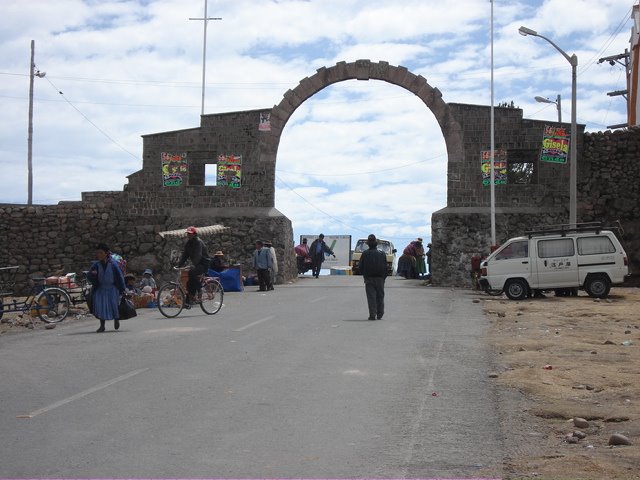
The event: Crossing the border was a little more tricky than I expected. In my usual absent-minded happy-go-lucky way, I took a local taxi (in vez de Turistico) for a 3 hr trip from Puno to the border. Got my exit in Peru stamped, only to find in Bolivia the visa costs 300 Boliviano's and there are no banks close by - nada! So back in a taxi to Puno (3 hrs).

La Frontera: Next day returned to the border (local again) this time with the problem that now my passport had been stamped with yesterdays date! A bribe later got me my passport stamped after which I got into Bolivia (tho not without questions as to why my passport was stamped yest. aswell as today).

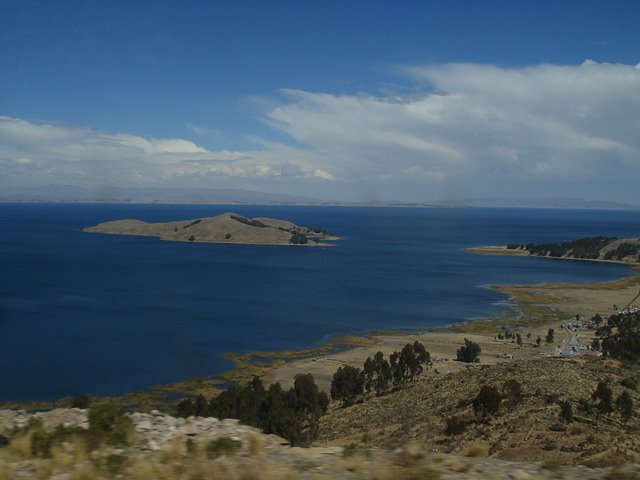
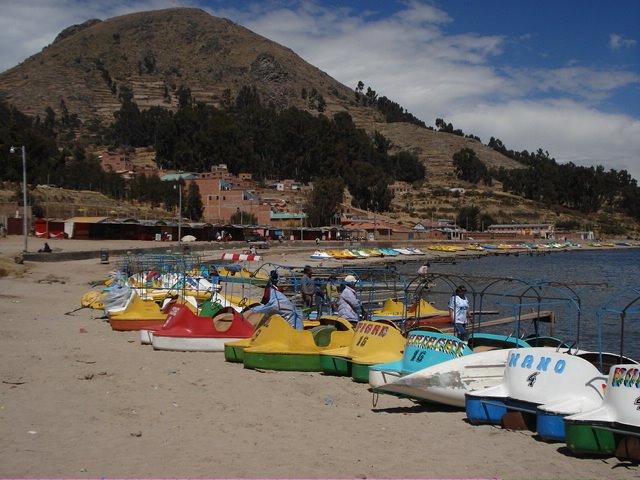
The trip: To La Paz was crazy. Stopped first in Copacabana where I stopped to take photos before catching the next bus to La Paz. Might have to return - really cool! The drive took us past Lake Titikaka again which from the Bolivian side looks more like the ocean.

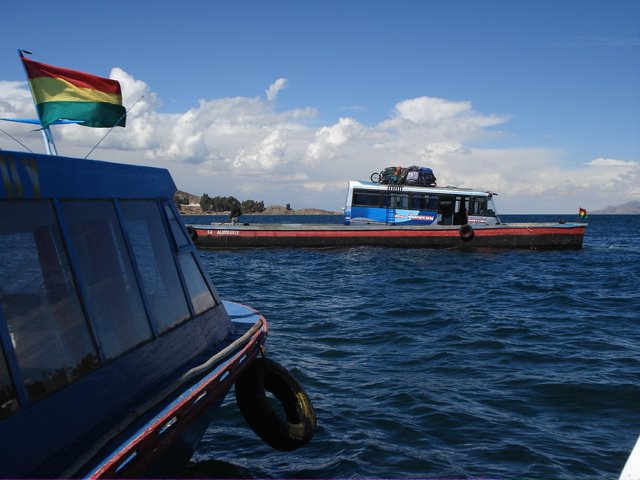
Had to cross the lake on a boat . . . and so did the bus!! Heh heh what a sight.

Got to La Paz which is a massive crazy city (very poor) also with an amazing backdrop of the snow-peaked Andes.

From there went to Rurrenabaque which is where the Amazon adventure begins.

Strange observation: Couldn´t breathe well in La Paz due to the high altitude and it was freezing. 1 hr later couldn´t breathe well due to the humidity of the amazon and it´s boiling!

Tuesday, August 15, 2006

Lake Titikaka - Peru


The Place: In Puno, Peru lies the famous Lago Titikaka. Titi meaning 'puma' and kaka meaning 'grey' (the colour of the lake), although Peruvians will tell you that the 'Titi' belongs to the Peruvian side of the lake and 'Kaka' to the Bolivian side.

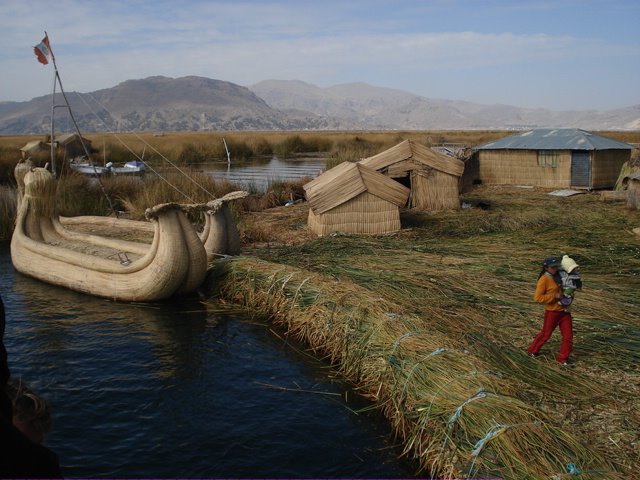
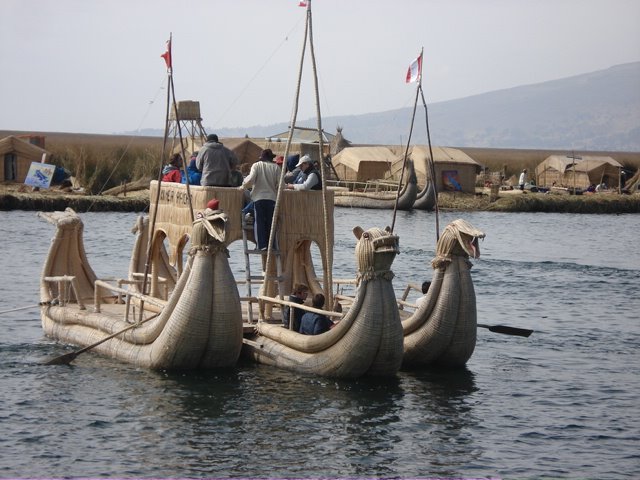
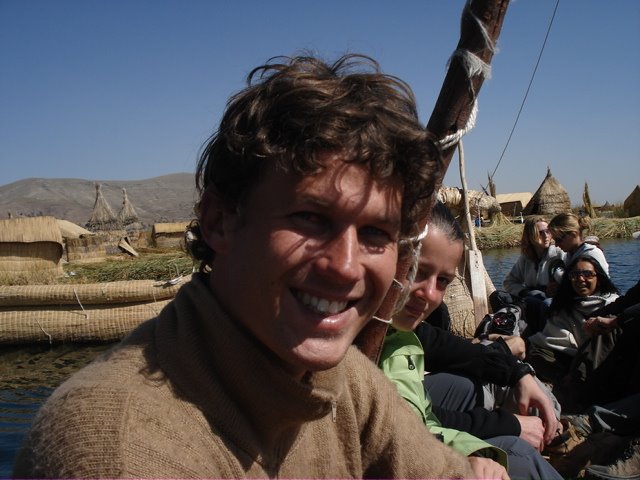
Some features: Amazingly, on this lake, the old peruvians actually made islands out of reeds. These are floating islands called 'Islas de Uros' and are anchored by wooden poles. It has happened that the islands have been blown across the lake.

Almost everything on the island is made out of these reeds including the boats and huts. The reeds are also edible and tasty!
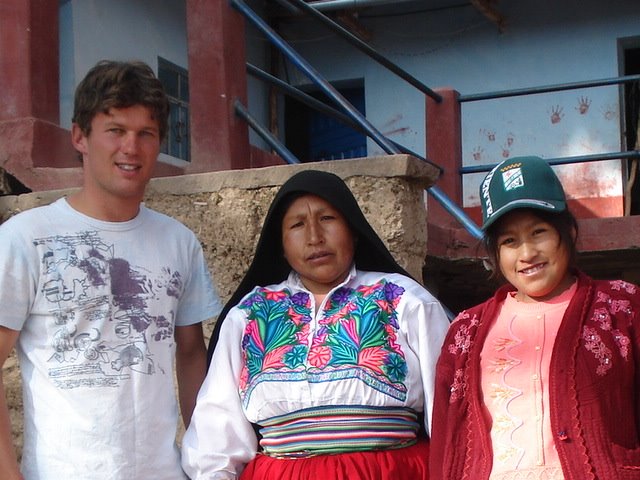
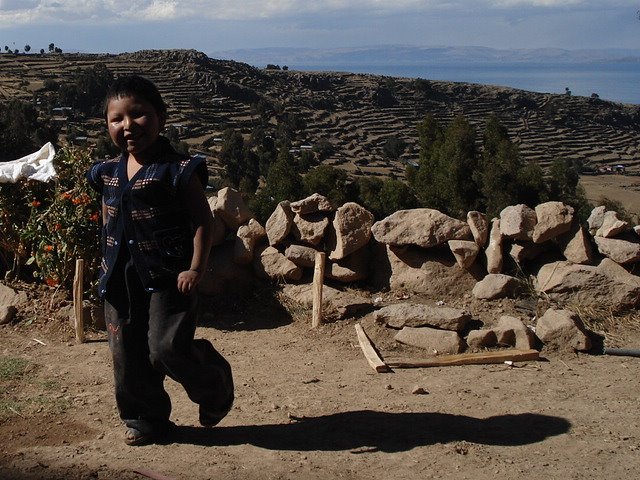
From the Uros islands took a trip to 2 other natural islands. On the first we stayed with the local families and ate meals prepared by them. Saw some of the many inca ruins in Peru being a sun temple with amazing arches through which the sunset is visible.

There happened to be a marriage taking place on the island so we joined in the festivities at night and danced to some of the typical Andean music. The tour group was fun. Met some cool people.

Took a trip to the second island (Isla de Taquile) which has some cool Spanish architecture (post colonial).

Strange observation: That marriage lasted the entire day and the locals didnt stop dancing. The father of our house had too much to drink and the party ended with a fist fight. Heh heh, was still fun though.

Also, in the past the president was kind enough to install solar panels on the floating reed islands which allows the residents to watch TV, listen to the radio, and who knows maybe use internet in the near future.

Saturday, August 12, 2006

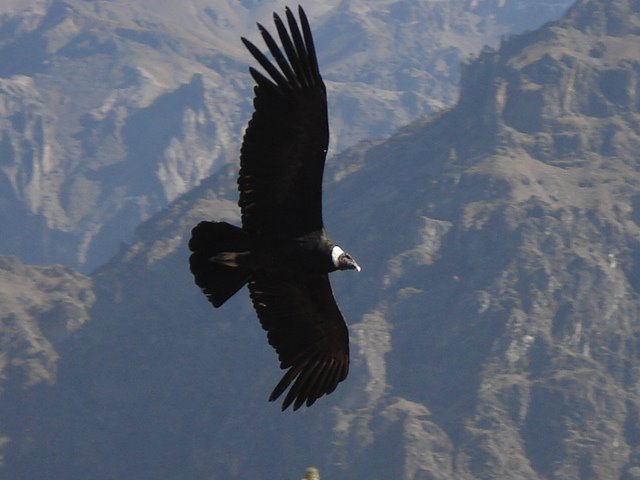
Cruz del Condor - Peru


The Place: In the Colca canyon (the deepest canyon in the world if you were to add the height of the mountain with the depth of the canyon). Roughly 6000m.

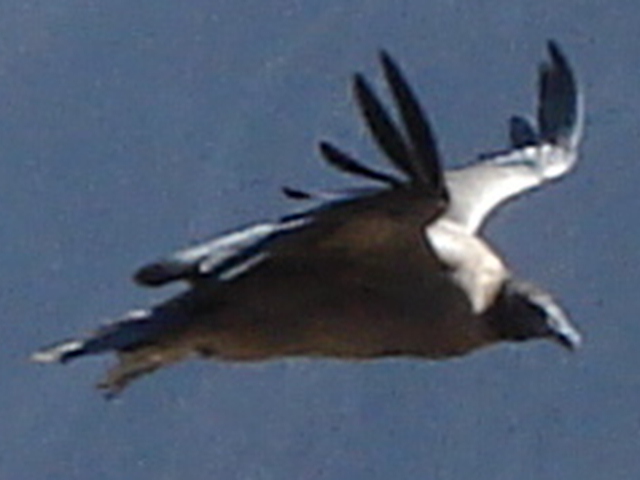
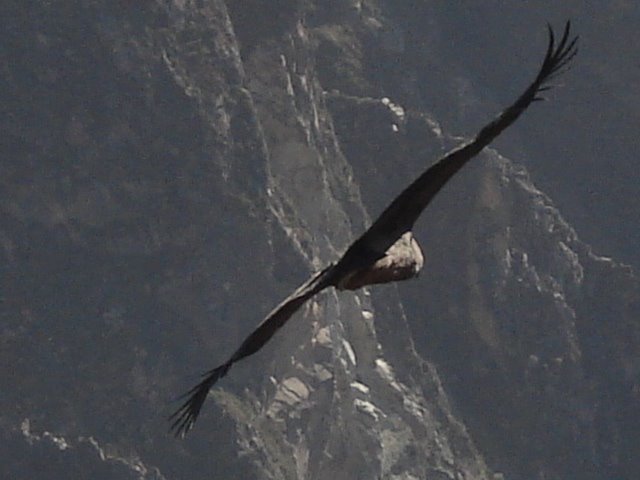
The feature: Considered to be the messenger from the heavens to earth, the condor was respected as a god by the Incans. With a wing span of 3.5 m, body length of 1.5m and weight of 15kg´s, the condor is an incredible sight.

It´s a bird of prey (in the family of vultures) and doesn´t flap it´s wings but uses natural air currents to soar. As such, flying at a height of roughly 4000m in the Colca canyon is ideal for them.

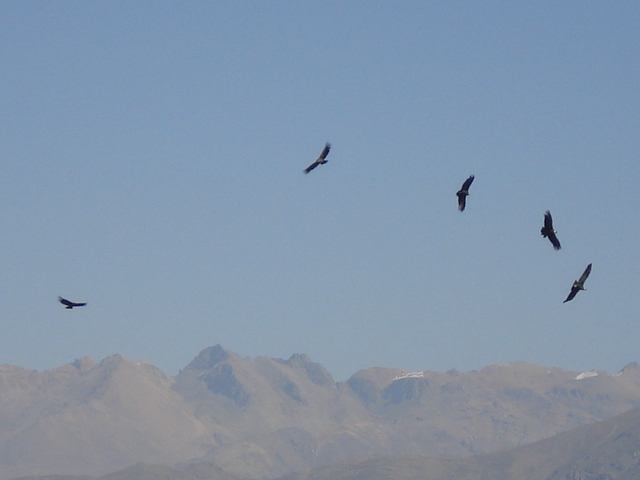
Seeing these birds was spectacular. They flew over our heads as well as in the canyon below in numbers of sometimes more than 5 at a time.

Friday, August 11, 2006

Arequipa - Peru


The Place: In southern Peru, Arequipa is the second to Lima in terms of commerce and industry. It is however full of old Peruvian culture and history.

Some features: The old buildings and churches are made out of white rock being volcanic rock from the surrounding volcanoes.

Took a 2 day bus tour to colca canyon past the 3 main volcanoes one of which is still active. Had a great group including french, italian, peruvian, german, canadian and spanish aswell as some nuns singing their spanish praises. With English being the minority I got by with my rough spanish and after 2 days of them teaching me spanish and me teaching them english, my spanish has improved.

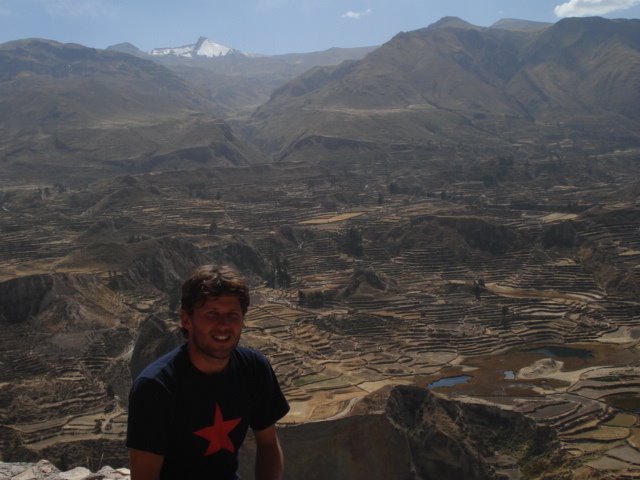
In the town of 'Chavay' about 3200m up in the Andes the locals still dress in their traditional clothes for the tourists and still farm inca style on terraced mountains.

Saw vicuñas in the wild.

Swam in hot baths (natural spring baths) in the town of Chavay.

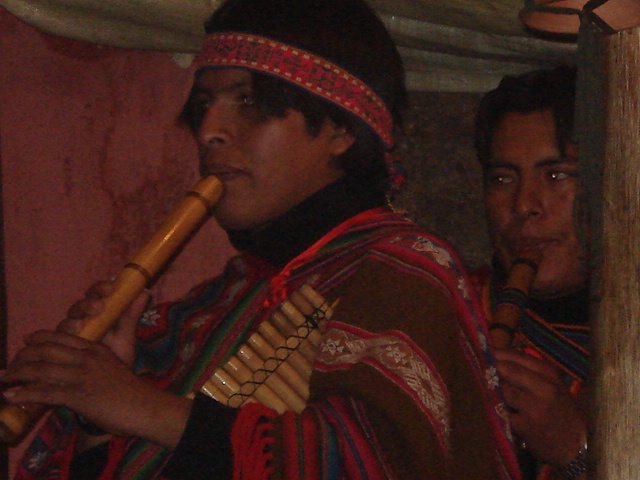
Had some traditional supper listening to live Andean music (pan pipes and charangas). Drank some pisco puro, which is a drink made from la hoja (leaf) de coca. Pretty strong to taste but not that hectic.

Seeing 'Mamia Juanita', the 13 yr old mummy girl found in the volcano. She was an Incan offering to the mountains (gods) after the erruption of the nearby volcano. She´s the most well preserved natural mummy in the world and was accompanied with golden inca figurines, pottery and high quality clothes made from the wool of alpaca´s and vicuñas, preserved due to the ice in the mountains. She walked to the top of the mountain (an incredible feat) and was then killed by the incan priests after drinking a concoction to knock her out, then being hit on the head. She was a chosen one and was evidently considered highly by the Incans.

The highlight: Waking at 5 to go travel to see el vuelo del condor (flight of the condor) in the colca canyon. Was really hoping to see one but blown away to see more than 5 at a time souring under our view then over us, circling in the thermals for over an hour.

Strange observation: With the mix of tourists in the bus the comments you'd hear at a good view would be 'Bella!', 'Muy Bonita!', 'Oo la la!', and of course 'Jislaaikit!'

Tuesday, August 08, 2006

Nasca - Peru


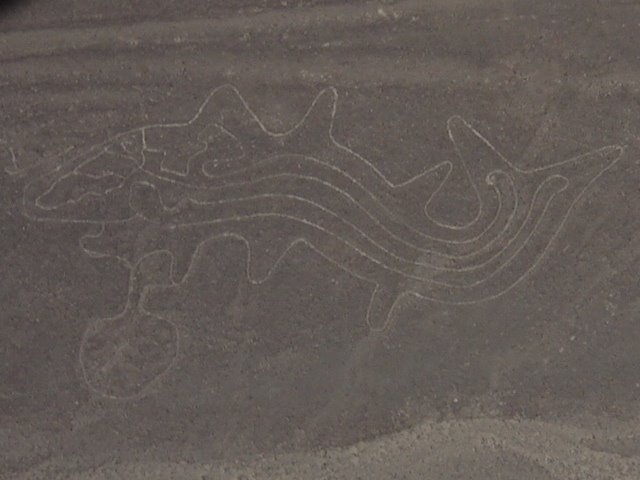
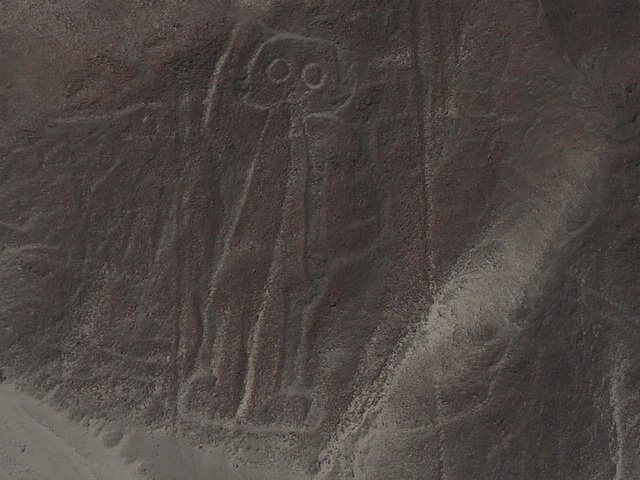
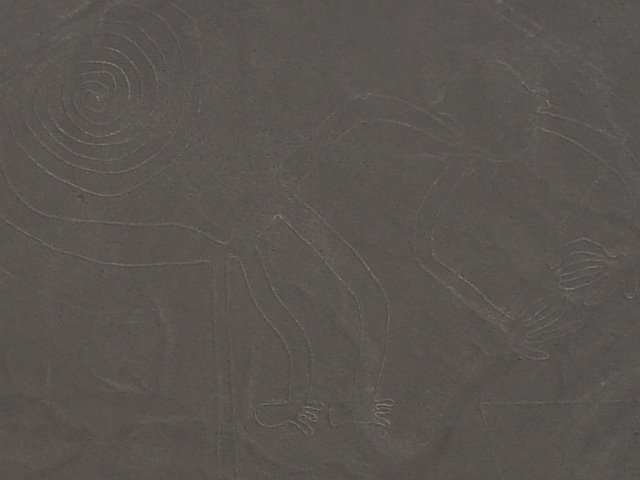
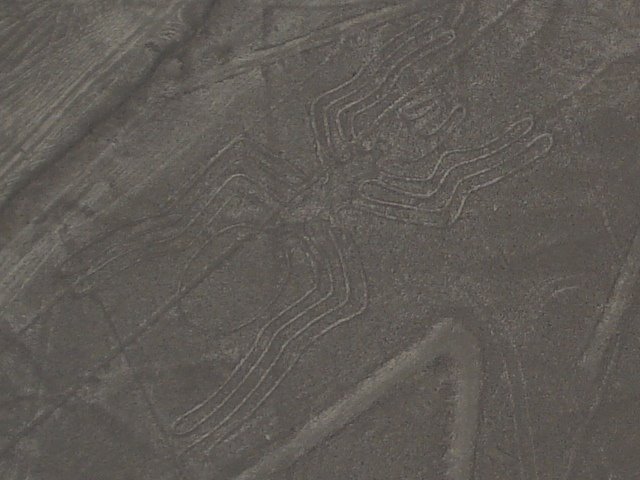
The Place: On a strip called 'The Pampa' in Nasca you can find massive drawings etched into the dry sand dating back to 400BC. So is this proof of alien landings?

Some theories: Well Nasca has not had significant rainfall since the ice age. Ít´s principal source of water is from the distant mountains. The nascans developed some underground aqueduct systems to collect water. Amongst the nasca lines you find pictures including monkey, humming bird, condor, hands, tree, parrot, astronaut, dog, and spider. Whats wierd is that you´d only really be able to see the pictures from the sky. Whats more amazing is the geometric lines forming undeciphered patterns stretching kilometres in length. One theory is that the patterns all point to the mountains or to models of the mountains (the water source). The nascans would walk these line as a ritual to ask the gods for water. Stepping outside of the lines could mean more droughts. The pictures are believed to be part of shamanism and each animal has a different meaning. Evidence supporting this comes from the art on pottery found in the region. Another theory is that the lines are a map of the shaman out of body journeys. Another theory - it forms a calender. Either way these massive artworks are impressive to look at and have remained in existence due to the dryness of the region. Access is not allowed onto 'The Pampa' since footprints and tyre tracks stay there for 100's of years.

Strange experience: The bus trip to Nasca was 16 hours. I took a local bus so had people on the floor next to me. On my left a man and his 7 yr old girl who was puking. On my right (across the aisle) a lady with 2 kids, one of whom she had to change the nappy. All peruvians speaking casitilian (S American spanish). Had a basic spanish chat with the dude next to me. heh heh.

Sunday, August 06, 2006

Llama's, Alpaca's y Vicuñas - Peru


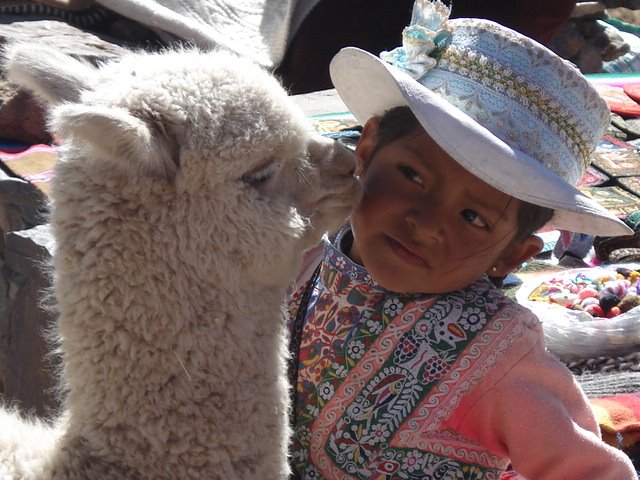
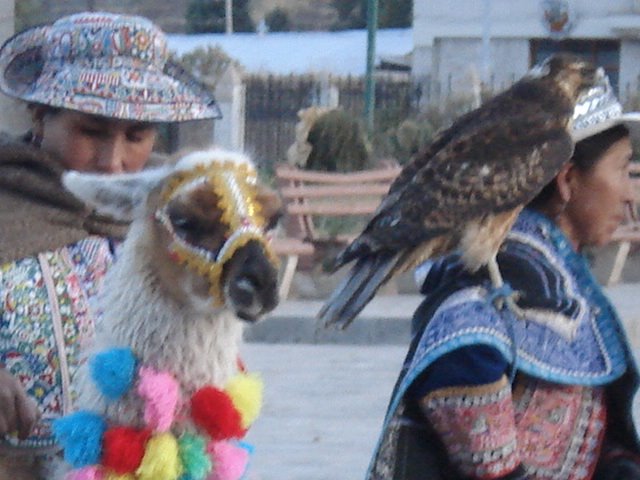
Llama's: The top 3 are llama's. They´re bigger than alpaca´s, have banana-shaped ears and tails that point upwards. Since grass doesn´t grow at high Andean altitudes, donkey´s and oxen cannot survive at these heights. Llama´s can survive on the mountain shrubbery and are thus ideal for transport (their primary use).

Alpaca´s¨: They have superior fleece, great for poncho's and beenies. Alpaca's are often seen on the menu in Peru (tastes sort of like a mix of beef and liver but delicious).

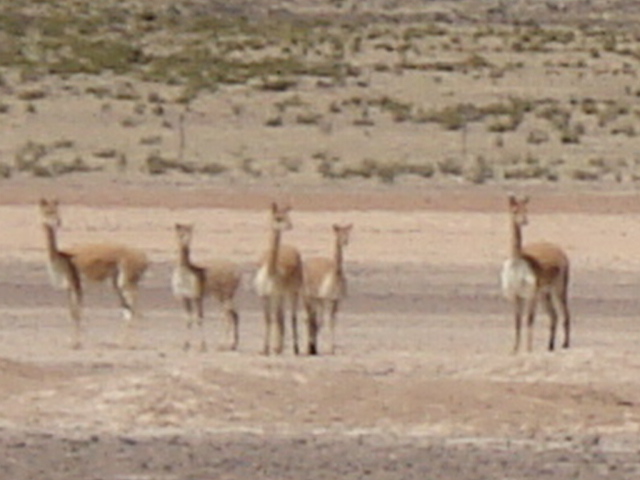
Vicuñas (at the bottom): Unlike the llama and alpaca, these cannot be domesticated. Their short fleece however is better than the alpaca´s (almost silky). Once every two years a festival is held where the locals round up the vicuñas and collect their fleece. 1 kilo = 1200 USD.

Strange observation: The word 'Llama' is borrowed from the Quechua language. So is 'Poncho'!

Friday, August 04, 2006

Machu Picchu - Peru


The Place: From Cusco, a 3 hour minibus trip takes you to the beginning of the 4 day Camino Inka.

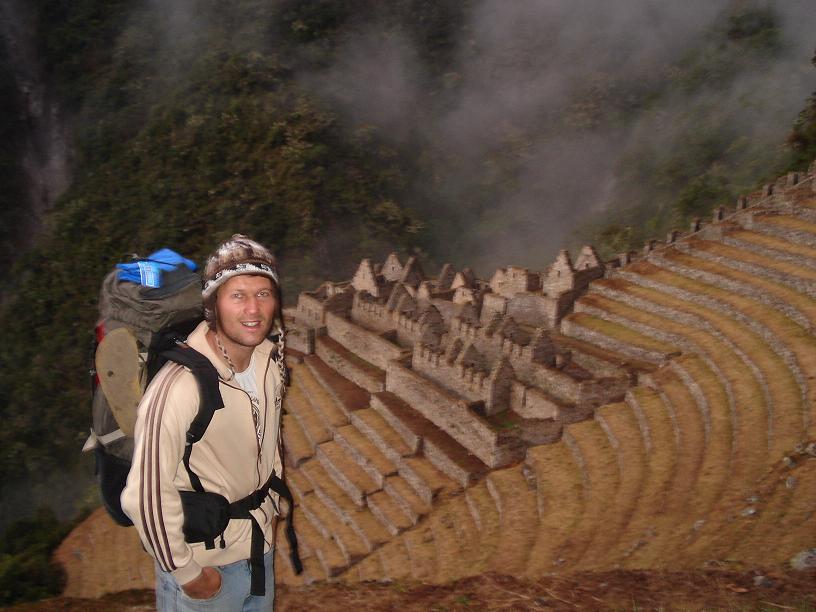
Some Features: All day spanish lessons from Santiago our guide. Walking through both dry (seco) mountainous regions aswell as dense and wet (mogado) jungles. Seeing snow on the mountains in the distance and hiking to an altitude of 4214m. Stopping for lunch in the middle of a pack of alpaca's. Seeing the incredible Inca ruins along the hiking trail.

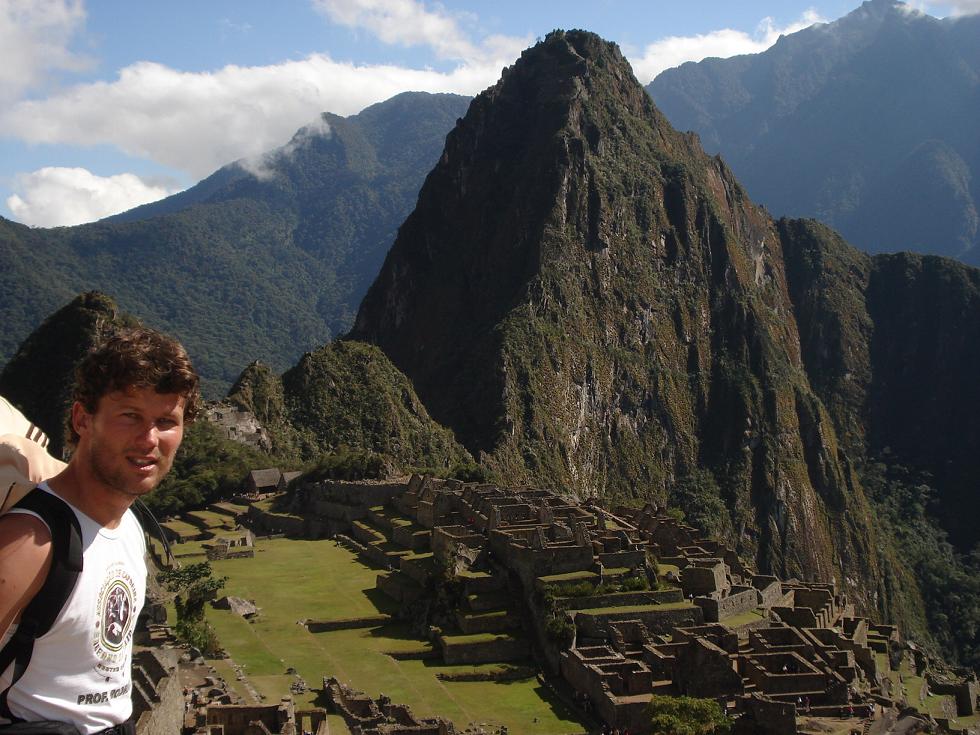
The Crescendo: Arriving at the breathtaking Machu Picchu early on the last day. The ruins of Machu Picchu are spectacular. At an altitude of 2800m this city was built primarily for royalty and religion. The rock structures are built on the edges of massive cliffs and are earthquake proof due to the 14% angle that they slope aswell as the method that the bricks fit tightly together. Worshipping the condor (blue skies, peace, heaven), the puma (power, the present), and the snake (the underground, afterlife, intelligence) many religious structures are found in the ruins aswell as mirrors for the stars (being small reflective rock pools), and replicas of the macchu picchu mountains and of constellations such as the southern cross made of rock.

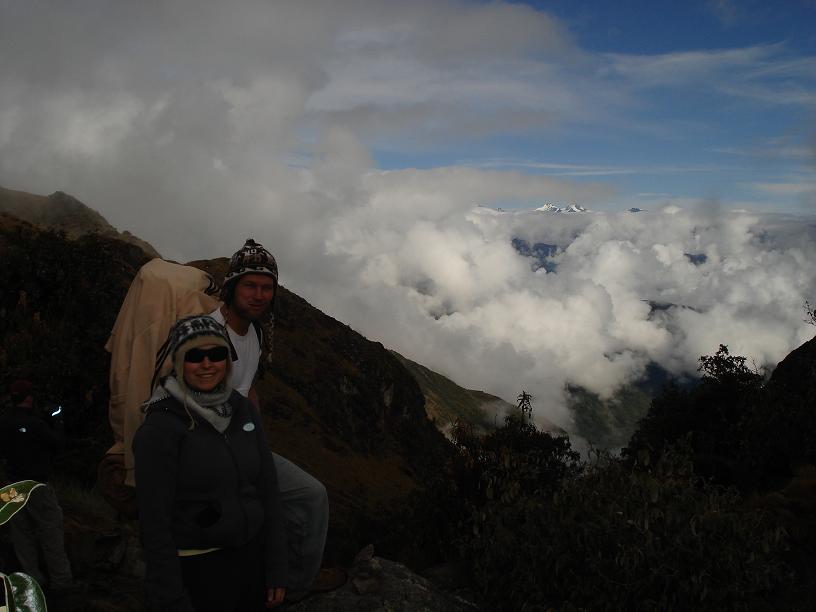
Strange observation: The coca leaf is used by the porters for energy and to prevent altitude sickness. True, the coca leaf is used to make cocaine, however in it's natural form it is not a drug. And it works, heh heh, Sahana and I had a competition to see who can shove the most coca leaves into their cheek while ascending the highest peak on the second day. Hence the fat cheek in the pic.

Monday, July 31, 2006

Cusco - La Ciudad - Peru


The Place: Roughly 3300m above sea level in the south of Peru, the town of Cusco is home to the Incas who still work the fields, herd the llamas and alpachas and speak their native tounge "Quechua".

Some features: The old town has many steep cobblestoned streets with steps leading high up to different parts of the town.

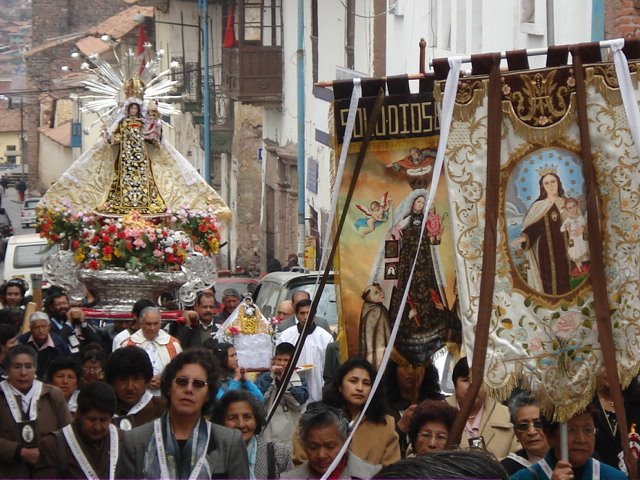
Stumbled upon a festival celebrating 'La virgin del Carmin' the day after its day of independence. Was told this is not the virgin Mary but catholic and relevent only to Carmin near Cusco. Banners and ornate icons of the virgin were being carried above the heads of the locals.

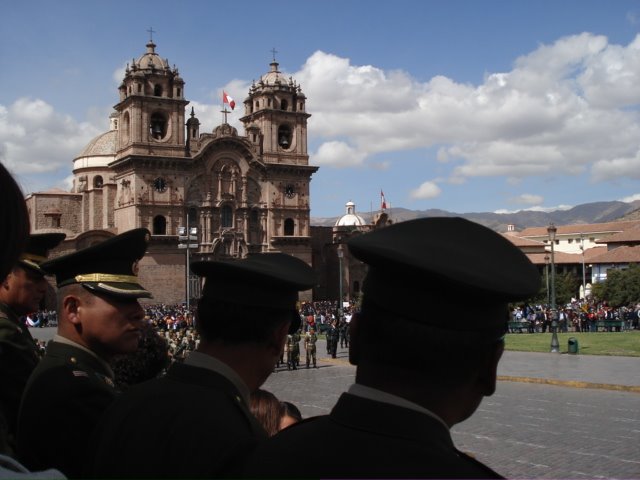
Stumbled upon festival no.2 the next day. This was a well organised celebration of independence day which involved military marches, shots being fired, flags being raised, political speeches and marching bands (many, both young and old).

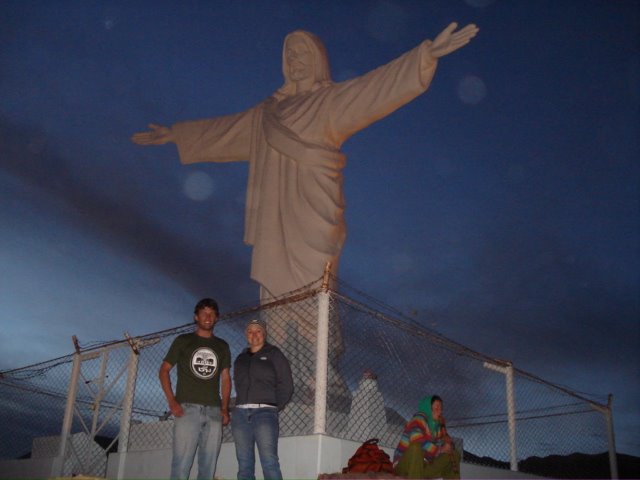
Walked to the top of one hill to stand by the 12m statue of Cristo Blanco.

Took a horse ride to see some inca ruins close by. Included Puca Pucara, Saksayhuamen (sexy women heh heh) and a Quechuan temple of water.

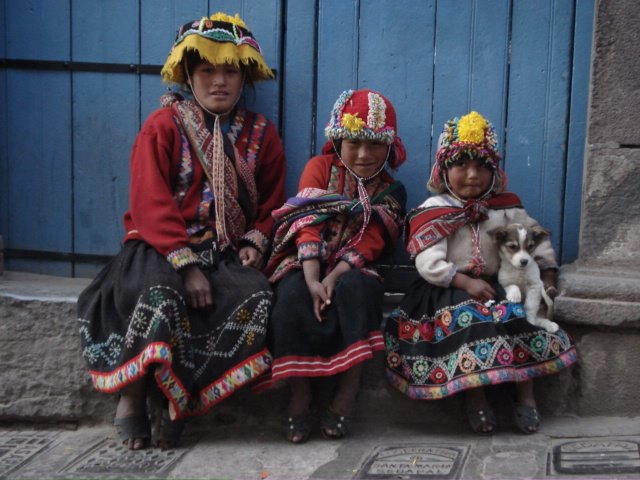
Strange observation: The old quechuan women here are teeny and, wearing top hats and puffy skirts, carry large loads from their fields into city centre. No idea how these women of about sixty descend the hills on foot into the city and then return up the hundreds of steep steps again after their wares have been sold.